
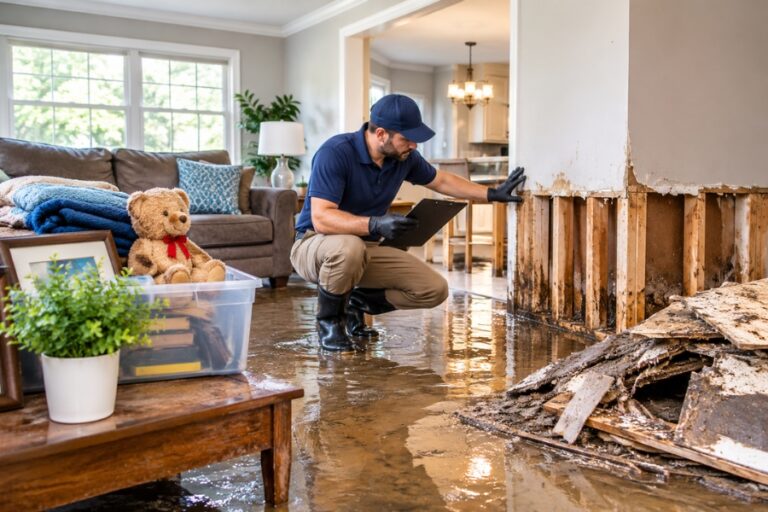
Flooding can leave Atlanta homes and businesses with damaged furniture, soaked flooring, contaminated belongings, and serious structural concerns. However, not everything affected by floodwater needs replacement. Some materials can recover through professional cleaning and drying, while others may pose safety risks if property owners keep them. Professional Flood damage cleanup Atlanta services help identify what you can safely restore and what you should remove.
Heavy rainfall, overflowing drainage systems, and plumbing failures can introduce water into properties without warning. Therefore, property owners must act quickly and make informed decisions. Hopkins Restoration Inc. helps homeowners and businesses manage flood-related damage through professional water removal, cleanup, and restoration solutions.
What Determines Whether Flood-Damaged Items Can Be Saved?
Before deciding what to keep or discard, restoration professionals consider several important factors.
- Water Contamination: Clean water from a plumbing supply line presents different risks than sewage or outdoor floodwater.
- Exposure Time: Materials that remain wet for extended periods may develop mold or suffer permanent damage.
- Material Type: Nonporous surfaces generally offer better cleaning options than absorbent materials.
- Structural Condition: Warped, weakened, or deteriorated materials may require replacement.
- Cleaning Possibilities: Professionals assess whether appropriate cleaning and sanitizing methods can restore an item safely.
Most importantly, never assume that an item is safe simply because it looks clean after drying.
What Can You Usually Save After a Flood?
Many household and commercial belongings can survive flooding when professionals address the damage quickly and use appropriate restoration methods.
1. Solid Wood Furniture
Solid wood furniture may recover if floodwater does not cause severe structural damage. Professionals can clean, dry, and assess suitable wooden items before recommending refinishing or repairs.
However, pressed wood, particleboard, and laminated furniture often absorb water and swell. Therefore, technicians may recommend replacing these materials when they lose their shape or strength.
2. Metal Furniture and Fixtures
Metal chairs, shelving, tables, and fixtures may remain salvageable after flooding. Proper cleaning and drying can remove dirt and moisture from many metal surfaces.
Nevertheless, technicians should inspect these items for corrosion, rust, and contamination before reuse.
3. Glass and Ceramic Items
Glassware, ceramic tiles, and certain nonporous decorative items often offer better recovery options. Professionals can clean suitable items with appropriate products and assess them for cracks or other damage.
However, discard broken glass and ceramics to avoid injuries.
4. Some Personal Belongings
Certain plastic containers, washable hard-surface belongings, and nonporous household items may withstand professional cleaning.
On the other hand, technicians should evaluate each item according to the floodwater source and its exposure.
What Must Go After Flood Damage?
Some materials absorb contaminated water so deeply that ordinary cleaning cannot make them safe again. In these situations, replacement provides a safer option.
| Flood-Damaged Item | Recommended Action |
| Soaked carpets and padding | Usually remove and replace |
| Wet upholstered furniture | Often discard, especially after contaminated flooding |
| Waterlogged mattresses | Discard |
| Saturated insulation | Remove and replace |
| Damaged drywall | Remove affected sections when necessary |
| Contaminated food | Discard |
| Warped particleboard furniture | Usually replace |
| Damaged electrical equipment | Professional inspection before reuse |
This table provides general guidance. The water source, exposure time, contamination level, and material condition determine the final decision.
Why You Should Never Delay Flood Damage Cleanup
Floodwater can continue damaging a property even after the water level drops. Moisture can penetrate drywall, flooring, insulation, and structural components. Furthermore, damp materials can support mold growth within 24 to 48 hours under suitable conditions.
Professional Water Damage Clean Up & Restoration services address these problems through systematic water removal, moisture detection, drying, and cleaning.
During the cleanup process, restoration technicians typically:
- Inspect the property and identify safety concerns.
- Remove standing water using professional extraction equipment.
- Identify hidden moisture with specialized detection tools.
- Dry affected materials using air movers and dehumidifiers.
- Clean and sanitize suitable surfaces.
- Remove materials that professionals cannot safely restore.
Hopkins Restoration Inc. helps property owners address these restoration needs while limiting the risk of additional damage.
How Professionals Decide What to Restore or Replace
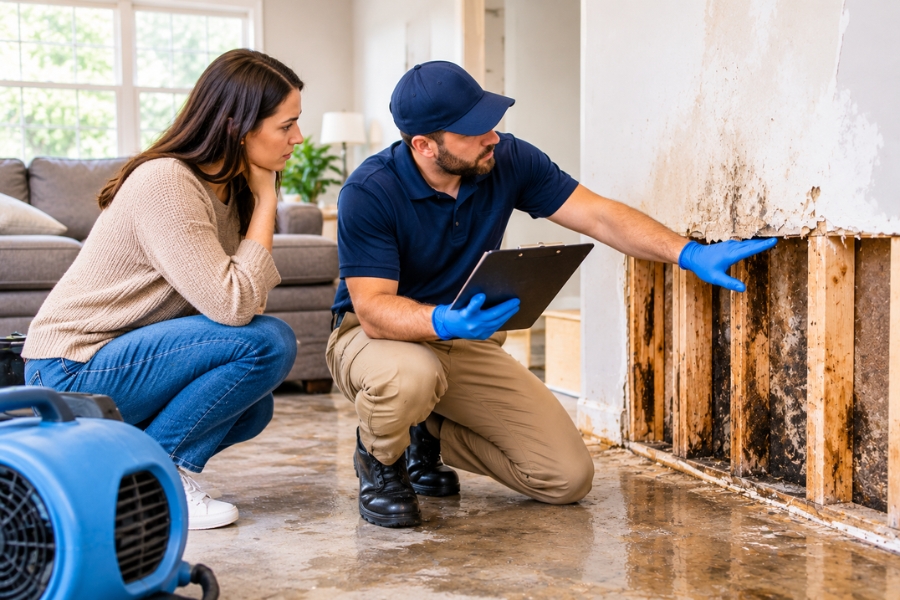
A professional inspection helps prevent unnecessary replacements while protecting occupants from contaminated materials.
For example, technicians may recommend restoring solid surfaces while removing heavily contaminated porous materials. They also consider the property’s structural condition before approving repairs.
Additionally, Commercial Restoration Services help business owners assess damaged offices, retail spaces, warehouses, and other facilities. Professional teams can prioritize affected areas, evaluate equipment, and coordinate cleanup to help businesses resume normal operations.
Steps Atlanta Property Owners Should Take Immediately
If floodwater enters your property, follow these practical steps:
- Prioritize Safety: Avoid flooded areas until professionals confirm electrical and structural safety.
- Document Everything: Photograph damaged rooms, furniture, appliances, and personal belongings.
- Contact Insurance: Report the incident and discuss your coverage requirements.
- Separate Belongings: Keep potentially salvageable items away from contaminated areas when safe.
- Arrange Professional Cleanup: Contact restoration specialists to begin water extraction and damage assessment.
Furthermore, avoid switching on electrical appliances or attempting to clean contaminated floodwater without proper protective equipment.
Get Professional Flood Damage Cleanup in Atlanta
Flood recovery involves more than removing standing water. Property owners must also determine which belongings they can save, which materials require replacement, and how to prevent further damage.
Hopkins Restoration Inc. provides professional restoration assistance to help Atlanta property owners manage flood damage and recover their homes and businesses. If flooding has affected your property, call 678-900-3372 to discuss your cleanup requirements and arrange professional assistance.
Frequently Asked Questions
1. Can I save furniture after a flood?
Yes. Solid wood and certain metal furniture may be salvageable if professionals clean and dry them promptly. However, upholstered and heavily contaminated furniture may require disposal.
2. Should I throw away carpets after flooding?
You should generally remove carpets and padding exposed to contaminated floodwater. Even after surface drying, these materials can retain moisture and contaminants.
3. How quickly should I arrange flood damage cleanup in Atlanta?
Contact a restoration company immediately after flooding. Quick water extraction and professional drying help reduce structural damage and limit conditions that encourage mold growth.
4. Can flood-damaged drywall be restored?
Minor damage may allow limited repairs. However, technicians often recommend removing saturated drywall because it can retain moisture and develop mold problems.
