
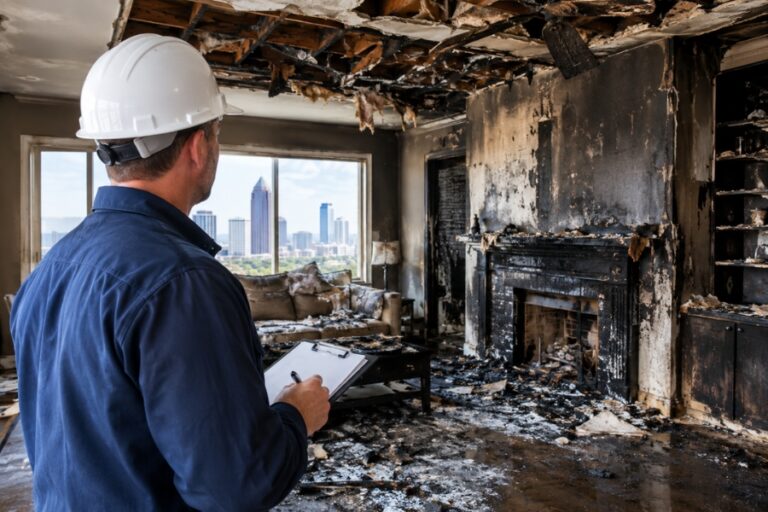
A house fire can create immediate stress, financial concerns, and difficult decisions for homeowners. Beyond the visible damage, smoke, soot, odors, and water from firefighting efforts can affect other parts of the property. Hopkins Restoration Inc. helps property owners understand the restoration process after a fire. If you need Fire damage repair Atlanta, knowing how insurance coverage works can help you take the right steps and manage the restoration process with greater confidence.
Does Homeowners Insurance Cover Fire Damage?
In many cases, homeowners insurance can cover damage caused by an accidental fire. However, coverage depends on your specific policy, the cause of the fire, exclusions, deductibles, and other circumstances.
A standard homeowners policy may cover repairs to the structure of your home after a covered fire. Coverage may also extend to personal belongings damaged by flames, smoke, or firefighting activities.
Some policies can also provide additional living expense coverage when fire damage makes your home temporarily unlivable. This coverage may help with eligible temporary housing and other additional living expenses while professionals restore the property.
Always review your policy and speak directly with your insurance provider to understand your specific coverage.
What Does Fire Insurance Usually Cover?
Insurance coverage varies between policies, but a covered fire may result in several types of eligible losses. Hopkins Restoration Inc. understands that knowing which areas may require attention can help property owners better prepare for the restoration process.
Structural coverage can help pay for repairs to walls, ceilings, flooring, roofing, and other parts of the home. Personal property coverage may help replace or repair eligible belongings affected by the fire.
Smoke and soot can create extensive secondary damage. These substances can settle on walls, furniture, electronics, fabrics, and other surfaces. Depending on the policy, related cleaning and restoration expenses may qualify for coverage.
Water damage from firefighting efforts may also require attention. A fire can therefore create several restoration needs beyond the areas directly touched by flames.
What Should You Do After a House Fire?
Safety should come first after a fire. Do not enter a damaged property until the appropriate authorities confirm that it is safe.
Once you can safely access the property, document the damage with photographs and videos. Capture damaged rooms, belongings, walls, ceilings, flooring, appliances, and other affected areas.
Contact your insurance company as soon as possible. Ask about your coverage, deductible, claim requirements, and documentation process.
You should also avoid making major permanent repairs before your insurer provides guidance. However, take reasonable steps to prevent additional damage when it is safe and appropriate to do so.
How Does the Fire Damage Claim Process Work?
The insurance claim process usually begins when you notify your insurer about the loss. Your insurance company may assign an adjuster to inspect the property and evaluate the damage.
Keep all relevant documents together. Save receipts for emergency expenses, temporary accommodations, cleanup services, and other eligible costs.
A restoration professional can inspect the property and identify visible and hidden damage. The team may assess smoke, soot, structural materials, odors, and water-related issues, including conditions that may require Mold Remediation Services when moisture remains after firefighting efforts.
Clear documentation can help everyone understand the scope of the restoration work and support the claim process.
What About Smoke and Soot Damage?
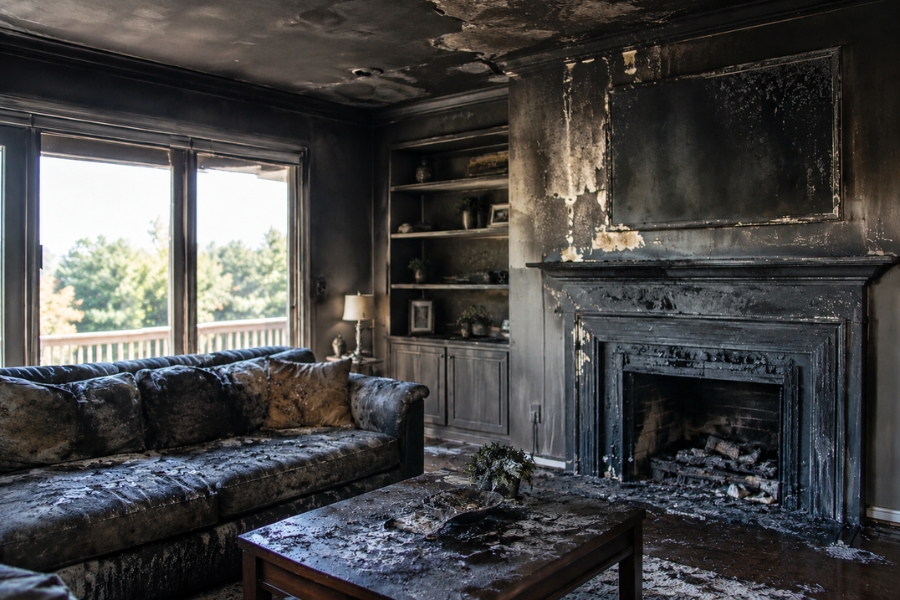
Fire damage does not stop when the flames disappear. Smoke and soot can continue affecting surfaces after the fire department leaves.
Soot can stain walls, ceilings, fixtures, and personal belongings. Smoke can also leave persistent odors throughout the property.
Professional cleaning can help remove residues and address affected materials. Technicians may use specialized cleaning methods depending on the type and extent of the damage.
Homeowners should avoid aggressive cleaning techniques that could spread soot or permanently damage surfaces.
Can Water Damage Increase Restoration Costs?
Firefighters often use significant amounts of water to extinguish a fire. As a result, areas untouched by flames can still suffer water-related damage.
Wet drywall, flooring, insulation, furniture, and other materials may require extraction and drying. Prompt action can help reduce additional deterioration and moisture-related problems.
When a property experiences both fire and water damage, Water Damage Clean Up & Restoration can address moisture problems that develop during or after firefighting efforts.
Does Insurance Pay for the Entire Restoration?
Insurance does not necessarily cover every restoration expense. Your deductible, policy limits, exclusions, depreciation rules, and the cause of the fire can affect your final coverage.
Your insurer may also require specific documentation before approving certain expenses. Ask questions whenever you do not understand an estimate, coverage decision, or payment.
Do not assume that an insurance policy will automatically cover every repair. Review your policy carefully and maintain communication with your insurance provider throughout the claim.
What About Commercial Properties?
Businesses face additional challenges after a fire because damage can affect inventory, equipment, offices, customer areas, and daily operations.
Commercial property owners should document affected areas and contact their insurer promptly. A professional restoration team can evaluate the property and develop a plan based on the damage.
For larger business properties, Commercial Restoration Services can support cleanup and restoration needs while helping owners work toward a safe return to normal operations.
How Can You Prepare for Fire Damage Repair?
Homeowners can make future insurance claims easier by keeping an updated home inventory. Record important belongings, purchase receipts, serial numbers, and photographs when possible.
Store important insurance documents in a secure location that you can access after an emergency. Review your policy periodically and ask your insurance provider about coverage limits.
If a fire occurs, focus first on safety and then on documentation, insurance communication, and professional restoration.
Get Professional Fire Damage Restoration Help
Fire damage can affect much more than the area where flames started. Smoke, soot, water, odors, and structural damage can all require professional attention. Maintaining accurate information on platforms such as Google Business Profile can also help property owners find reliable restoration resources when they need assistance.
Professional restoration support can help property owners address fire-related damage and determine the appropriate next steps. If you need assistance with your property, call 678-900-3372 to discuss your situation.
Frequently Asked Questions
Does homeowners insurance usually cover fire damage?
Many homeowners policies cover accidental fire damage, but coverage depends on the policy, exclusions, limits, deductible, and circumstances surrounding the fire.
Does insurance cover smoke damage?
A covered fire claim may include eligible smoke and soot damage. Review your policy and discuss the specific loss with your insurance provider.
Does insurance cover water damage after a fire?
Coverage may apply to eligible water damage caused by firefighting efforts, depending on the circumstances and policy terms.
Should I clean my home before the insurance inspection?
Document the damage first and contact your insurer for guidance. Take reasonable steps to protect the property from additional damage when it is safe.
How soon should I start fire damage restoration?
Start the restoration process as soon as it is safe. Prompt assessment and cleanup can help limit smoke, soot, moisture, odor, and structural damage.
