
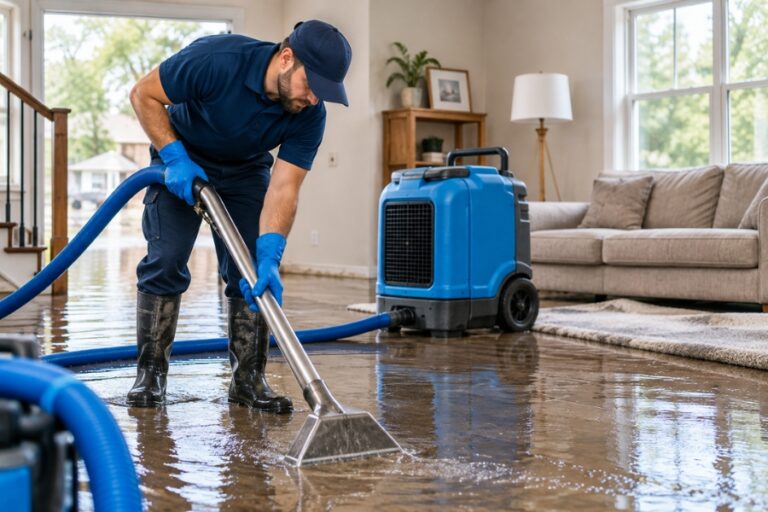
A flood can turn a comfortable home or busy commercial property into a stressful situation within minutes. However, the steps you take during the first 48 hours can make a significant difference in how much damage your property experiences. Professional Water extraction Georgia services help remove standing water, protect building materials, and reduce the risk of long-term moisture problems.
In Georgia, heavy rainfall, overflowing drainage systems, and severe storms can cause unexpected flooding. Therefore, property owners should act quickly instead of waiting for visible damage to disappear. Hopkins Restoration Inc. helps property owners respond to water emergencies with professional extraction and restoration solutions. Understanding what happens during the first two days can also help you make informed decisions and protect your property.
The First 24 Hours: Immediate Response and Water Removal
The first day after flooding requires quick decisions. Water can spread through flooring, walls, insulation, and furniture. As a result, delaying professional help can increase restoration costs.
1. Initial Property Inspection and Safety Assessment
Restoration professionals begin by inspecting the affected areas. They identify the source of water, assess visible damage, and determine which parts of the property need immediate attention.
During this stage, technicians also check for potential electrical hazards, structural concerns, and contaminated water. Property owners should avoid entering flooded areas until professionals confirm that the space is safe.
2. Removing Standing Water
Once technicians establish a safe working environment, they begin extracting standing water. They use powerful pumps, wet vacuums, and specialized extraction equipment to remove water from affected spaces.
Professional Water extraction Georgia services focus on removing as much water as possible before it spreads into additional building materials. Furthermore, technicians prioritize heavily affected rooms, carpets, basements, and other areas where water collects.
3. Documenting Visible Damage
After removing the initial water, restoration teams document the damage. They photograph affected areas, identify damaged materials, and record important details for insurance purposes. For business properties, Commercial Restoration Services also help assess damage to offices, equipment, inventory, and other commercial assets.
This documentation helps property owners understand the extent of the problem. Additionally, it provides useful information when they communicate with their insurance providers and plan the restoration process.
Hours 24–48: Drying, Cleaning, and Damage Prevention
Removing standing water represents only the beginning of flood recovery. Moisture can remain trapped inside walls, flooring, and other materials even when surfaces appear dry. Therefore, the next 24 hours focus on thorough drying and preventing further damage.
4. Professional Moisture Detection and Structural Drying
Technicians use moisture meters and thermal imaging equipment to locate hidden water. These tools help identify damp areas behind walls, beneath flooring, and inside other building materials.
Next, restoration professionals position commercial air movers and dehumidifiers throughout the affected property. These machines improve airflow and remove excess moisture from the environment.
This step plays an important role in preventing additional deterioration. Moreover, proper drying prepares the property for necessary repairs and restoration work.
5. Cleaning and Sanitizing Affected Areas
Floodwater can carry dirt, debris, bacteria, and other contaminants into a property. Consequently, technicians must clean affected surfaces before they move forward with restoration.
Depending on the water source and contamination level, professionals may remove damaged materials and apply appropriate cleaning and sanitizing treatments. Water Damage Clean Up & Restoration services help address these concerns while preparing affected areas for the next stage of recovery.
However, technicians must assess each material before deciding whether cleaning or replacement offers the safest solution.
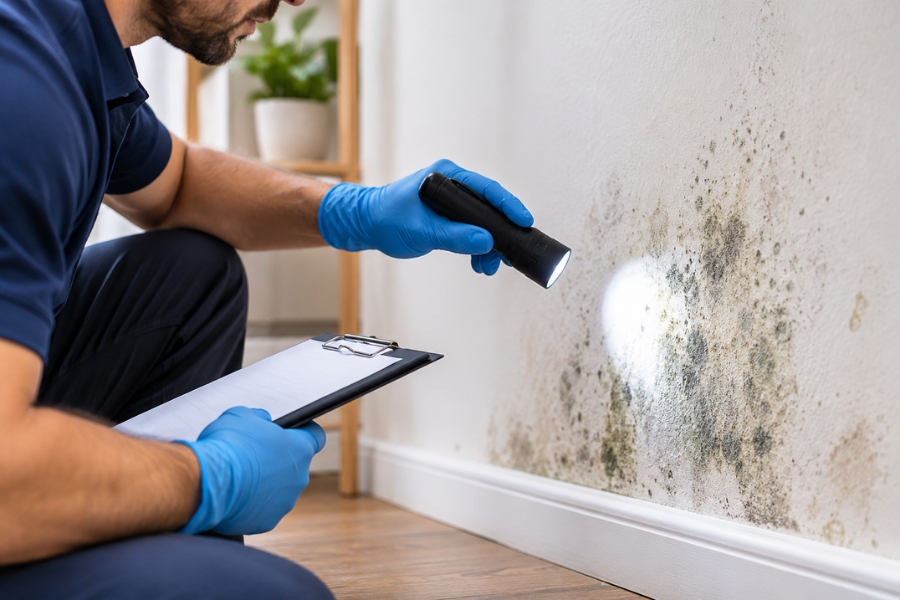
6. Checking for Early Signs of Mold Growth
Excess moisture creates conditions that support mold growth. Although mold does not always become visible within the first 48 hours, damp materials can develop problems if they remain wet.
For this reason, restoration professionals monitor moisture levels and identify areas that need additional attention. They also recommend further inspection or treatment when they find signs of microbial growth.
Hopkins Restoration Inc. understands the importance of addressing moisture concerns early to help property owners avoid more extensive restoration challenges.
Why the First 48 Hours Matter After a Georgia Flood
Every hour matters when floodwater enters a property. Quick action helps limit damage and reduces the chances of secondary problems.
Here are some important reasons to prioritize an early response:
- Protect Building Materials: Early water removal limits prolonged exposure to moisture.
- Reduce Restoration Costs: Prompt intervention can prevent additional damage to floors, walls, and furniture.
- Limit Mold Risks: Proper drying helps reduce conditions that encourage mold development.
- Protect Indoor Conditions: Professional cleaning addresses contaminants introduced by floodwater.
- Support Insurance Documentation: Early photographs and damage records help support insurance discussions.
Georgia property owners should also remember that different flood situations require different approaches. Clean water from a plumbing leak does not present the same risks as contaminated water from outdoor flooding. Therefore, professionals should assess the water source before selecting appropriate restoration procedures.
When Should You Call a Professional Restoration Company?
You should contact a restoration professional as soon as you discover flooding. Even a small amount of standing water can spread beneath flooring or enter wall cavities.
Avoid using household equipment to handle extensive flooding. Instead, allow trained technicians to inspect the property, remove water, and establish an effective drying plan.
Furthermore, contact your insurance provider promptly and keep records of visible damage. Never enter an area with electrical hazards or potentially unsafe structural conditions.
Get Professional Flood Recovery Assistance in Georgia
The first 48 hours after a flood can influence the entire recovery process. From initial inspection and water removal to structural drying and cleaning, every step helps protect your property from further damage. Our Google Business Profile provides helpful information for Georgia property owners seeking professional restoration assistance after unexpected water damage.
If flooding has affected your home or business, call 678-900-3372 to discuss your restoration needs and arrange professional assistance.
Frequently Asked Questions
1. How quickly should I arrange water extraction after a flood?
You should contact a restoration company immediately after discovering flooding. Early water removal helps limit damage to floors, walls, furniture, and other building materials.
2. Can water damage become worse after the standing water disappears?
Yes. Moisture can remain trapped beneath flooring, inside walls, and within insulation. Professional moisture detection and structural drying help identify and address these hidden problems.
3. Does floodwater increase the risk of mold growth?
Yes. Wet building materials can support mold growth when they remain damp. Professionals recommend prompt water removal, proper drying, and moisture monitoring to reduce this risk.
4. Does homeowners insurance cover flood damage in Georgia?
Coverage depends on your insurance policy and the source of the water. Standard homeowners policies often exclude flooding caused by rising external water. Review your policy and contact your insurance provider to confirm your coverage.
