
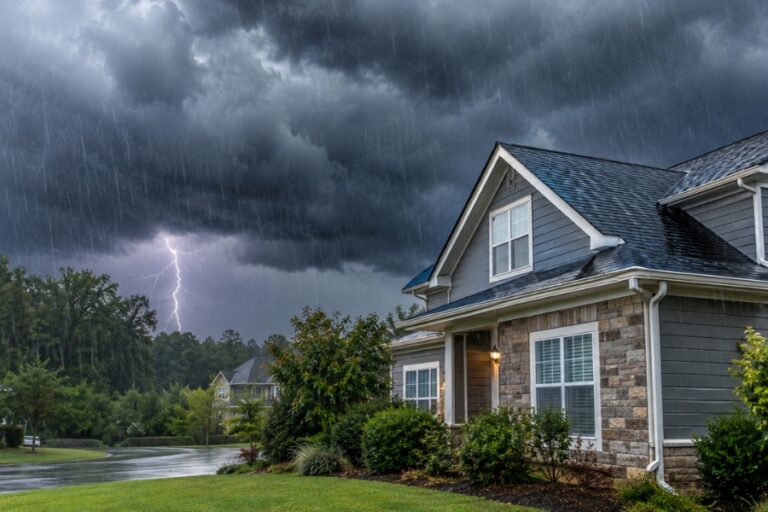
Hopkins Restoration Inc. knows that Georgia Storm Season brings more than heavy rain. Strong thunderstorms, tropical systems, flash flooding, and powerful wind can quickly turn a small maintenance issue into costly property damage. While no homeowner can stop severe weather, preparing your home before the next major storm can reduce water intrusion, protect structural materials, and minimize restoration costs.
Georgia experiences frequent storms during spring, summer, and early fall. Consequently, homeowners in communities across Atlanta, Marietta, Sandy Springs, Roswell, Alpharetta, Johns Creek, Decatur, Brookhaven, Smyrna, and surrounding areas should prepare before severe weather arrives. This guide explains practical steps you can take to protect your home before the next big rain.
Why Georgia Storm Season Creates Water Damage Risks
Georgia’s weather changes quickly during storm season. Heavy rainfall can overwhelm gutters, flood yards, leak through damaged roofs, and seep into foundations or crawl spaces. Additionally, strong winds can loosen shingles, damage flashing, and create openings where rainwater enters the home.
Even a short storm can leave moisture trapped inside walls, ceilings, insulation, or flooring. Therefore, preventing water intrusion before rainfall begins remains much easier than repairing hidden damage afterward.
Preparing early also helps reduce the chance of emergency repairs during severe weather.
Inspect Your Roof Before Storms Arrive
Your roof provides the first layer of protection against heavy rain. Small roofing problems often become major leaks during severe storms.
Roof Inspection Checklist
| Area to Inspect | Why It Matters |
| Missing or damaged shingles | Creates openings for rainwater. |
| Flashing around chimneys and vents | Prevents water from entering roof joints. |
| Roof valleys | Channels large amounts of rainwater safely. |
| Skylights and roof penetrations | Common locations for hidden leaks. |
| Loose gutters attached to the roof | Helps direct water away from the home. |
Addressing minor roof issues before storm season helps prevent interior water damage during heavy rainfall.
Clean Gutters and Downspouts
Gutters move rainwater away from your home’s foundation. However, clogged gutters force water to overflow onto siding, windows, landscaping, and foundation walls.
Before major storms:
- Remove leaves and debris.
- Check for sagging sections.
- Tighten loose fasteners.
- Make sure downspouts discharge water several feet away from the foundation.
Clean gutters improve drainage during intense rainfall and reduce standing water around the home.
Protect Your Foundation From Heavy Rain
Water pooling around the foundation increases the risk of basement and crawl space moisture.
Walk around your property after rainfall and look for:
- Standing water near foundation walls.
- Soil erosion around the home.
- Poor grading that directs water toward the house.
- Cracks in foundation walls.
If water naturally flows toward your home, improving drainage before storm season can reduce future moisture problems.
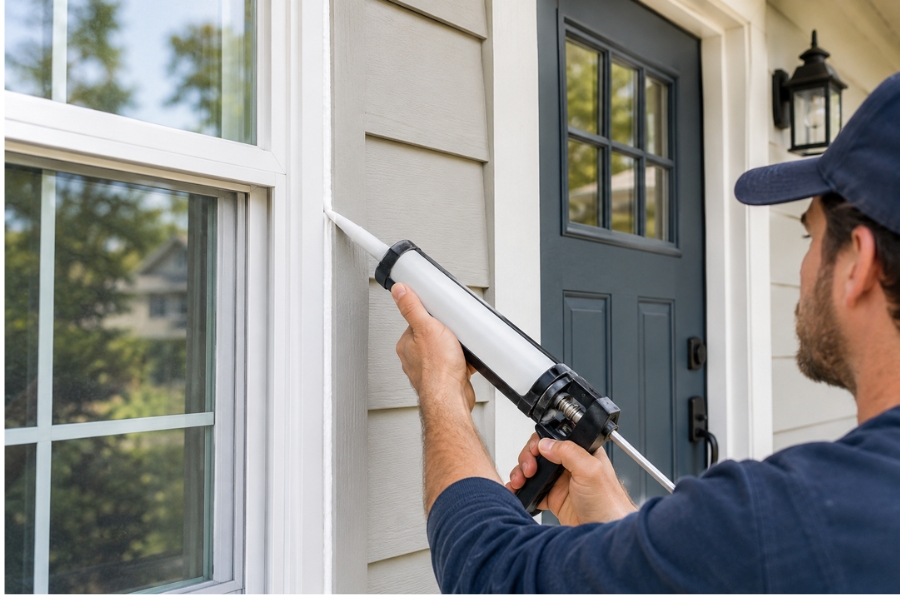
Seal Windows and Exterior Doors
Windows and doors often become overlooked entry points during wind-driven rain.
Inspect exterior caulking for cracks or gaps. Replace worn weatherstripping and repair damaged seals around doors, windows, and exterior utility penetrations.
Small gaps can allow significant moisture inside during severe storms.
Prepare Your Crawl Space and Basement
Many Georgia homes include crawl spaces or basements that collect moisture during prolonged rain.
Crawl Space Preparation Tips
- Check vapor barriers for damage.
- Remove standing water immediately.
- Inspect plumbing lines for leaks.
- Verify crawl space ventilation functions properly.
- Monitor humidity after heavy rain.
Dry crawl spaces help reduce moisture migration into living areas.
Check Plumbing Before Storm Season
Storm preparation should include indoor plumbing because heavy rain often exposes existing plumbing weaknesses.
Inspect:
- Water heater connections.
- Washing machine hoses.
- Dishwasher supply lines.
- Refrigerator water lines.
- Bathroom plumbing fixtures.
Replacing aging hoses and worn connections before storm season can prevent indoor water emergencies during severe weather.
Trim Trees and Remove Outdoor Hazards
Strong winds often accompany Georgia storms.
Trim branches hanging over:
- Roofs.
- Power lines.
- Windows.
- Vehicles.
- Decks.
Secure outdoor furniture, grills, decorations, and equipment before severe weather warnings. Loose objects can damage siding, roofing, or windows during high winds.
Know Where Your Main Water Shut-Off Valve Is
If a storm damages plumbing or causes a pipe to burst, shutting off the home’s water supply quickly can reduce additional water damage.
Every homeowner should know:
- Main water shut-off location.
- Electrical panel location.
- Gas shut-off location when applicable.
- Emergency contact information.
Preparation saves valuable time during emergencies.
What to Do Immediately After Heavy Rain
Once the storm passes, inspect your home carefully instead of assuming everything remains dry.
Look for:
- Ceiling discoloration.
- Damp drywall.
- Water around windows.
- Wet flooring.
- Moisture near baseboards.
- Attic leaks.
Early inspection helps identify water intrusion before hidden moisture spreads.
If you discover standing water or significant moisture, professional Water Damage Clean Up & Restoration helps remove water, dry affected materials, and reduce additional structural damage before moisture creates larger restoration issues.
Quick action after heavy rain often shortens the restoration timeline.
Watch for Hidden Moisture During Georgia’s Humid Weather
Georgia’s humidity can slow drying even after rain stops.
Pay attention to:
- Musty odors.
- Peeling paint.
- Soft drywall.
- Warped flooring.
- Condensation around windows.
- Damp insulation in the attic.
These warning signs often indicate moisture remains trapped inside building materials.
Professional moisture detection equipment helps locate hidden moisture that homeowners cannot easily see.
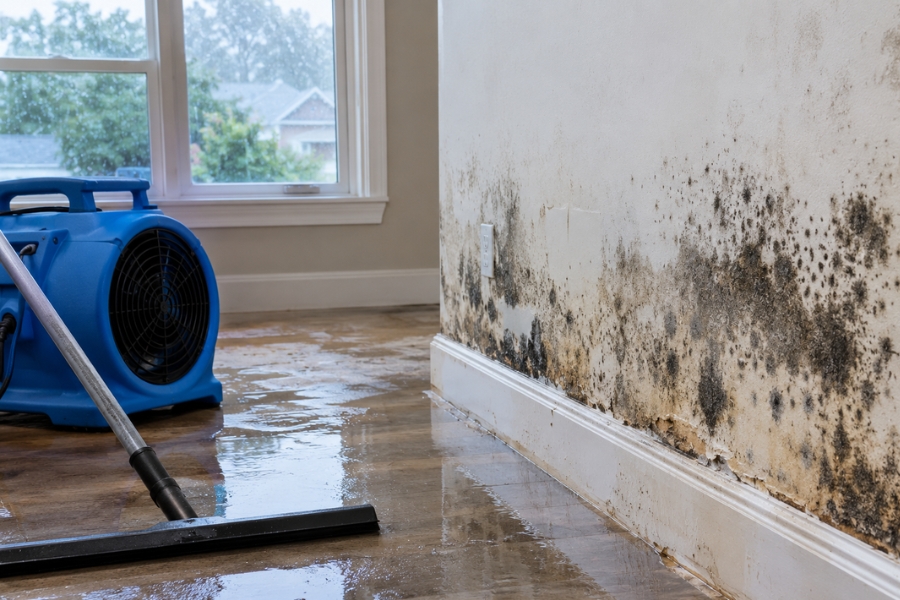
Prevent Mold After Storm Water Damage
Moisture left untreated creates conditions that support mold growth within a relatively short period under favorable conditions.
Several days after heavy rain, continue checking moisture-prone areas, including bathrooms, laundry rooms, crawl spaces, basements, utility closets, and exterior-facing walls.
If moisture remains trapped after storm damage, professional Mold Remediation Services may become necessary to address mold growth inside walls, ceilings, insulation, flooring, or crawl spaces.
However, preventing mold starts with rapid drying, proper ventilation, and immediate moisture removal after storms.
Storm Preparedness Checklist for Georgia Homeowners
| Before the Storm | After the Storm |
| Inspect roof shingles and flashing. | Check ceilings and walls for stains. |
| Clean gutters and downspouts. | Inspect windows and doors for leaks. |
| Seal exterior gaps and cracks. | Look for standing water near the foundation. |
| Trim overhanging tree branches. | Dry wet areas immediately. |
| Inspect plumbing connections. | Monitor humidity and moisture indoors. |
| Know your water shut-off location. | Document visible damage if needed. |
Completing this checklist before each storm season helps reduce unexpected water damage.
Why Early Preparation Saves Time and Money
Storm preparation costs much less than repairing widespread water damage after severe weather. Small maintenance tasks—such as cleaning gutters, repairing roof flashing, sealing windows, and checking drainage—can reduce the likelihood of water entering your home.
Hopkins Restoration Inc. encourages homeowners throughout Atlanta, Marietta, Sandy Springs, Roswell, Alpharetta, Johns Creek, Decatur, Brookhaven, Smyrna, and nearby Georgia communities to inspect their homes before storm season instead of waiting until damage appears.
A proactive approach helps protect your home’s structure, belongings, and indoor environment throughout Georgia’s wettest months.
Contact Hopkins Restoration Inc. Before or After Storm Damage
Severe weather can leave behind leaks, standing water, and moisture that may continue damaging your property after the rain stops. If you need help locating a trusted provider through a Google Business Profile, take action promptly and arrange a professional inspection before minor moisture problems become larger restoration concerns.
For storm-related water damage assistance, call 678-900-3372 today. Our team can help with inspection, water removal, drying, and the next steps toward restoring your Georgia property.
Frequently Asked Questions
When does storm season typically bring the highest water damage risk in Georgia?
Georgia often experiences increased storm activity during spring, summer, and early fall, including thunderstorms, tropical systems, and periods of heavy rainfall.
Should I inspect my roof after every major storm?
Yes. Checking for missing shingles, damaged flashing, clogged gutters, and visible leaks after major storms helps identify problems before additional rain causes more damage.
How can I reduce water around my home’s foundation?
Keep gutters clean, extend downspouts away from the home, improve yard grading, and remove standing water quickly after storms.
How quickly should I address water intrusion after heavy rain?
Begin drying and moisture removal as soon as possible. Prompt action helps reduce structural damage and lowers the risk of mold developing in damp building materials.
