
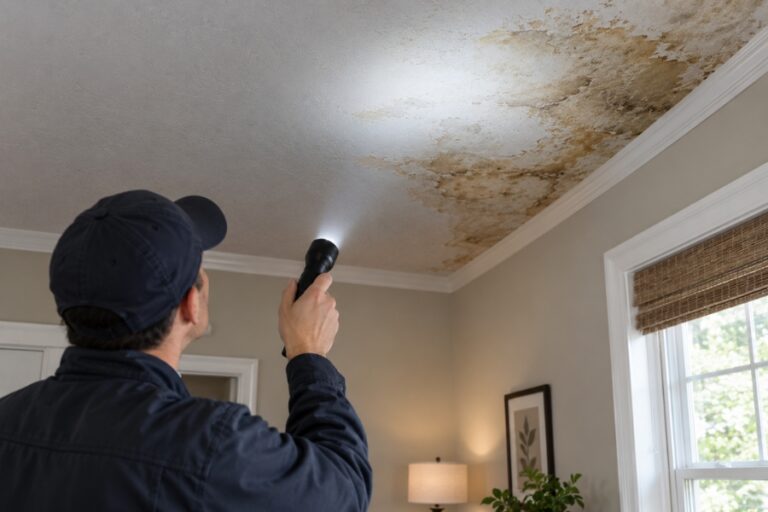
Hopkins Restoration Inc. helps homeowners across Georgia identify moisture problems before they turn into expensive structural damage. Many people notice obvious leaks, puddles, or ceiling stains. However, Hidden Water Damage Signs often develop quietly behind walls, beneath flooring, inside ceilings, or around plumbing fixtures long before visible damage appears. As a result, small water issues can become major restoration projects if homeowners miss the warning signs.
Georgia’s humid climate, seasonal storms, heavy rainfall, and aging plumbing systems make moisture problems especially common. Therefore, recognizing hidden water damage early can help protect your home’s structure, improve indoor air quality, and reduce repair costs.
Whether you live in Atlanta, Marietta, Sandy Springs, Roswell, Alpharetta, Johns Creek, Decatur, or Brookhaven, knowing what to watch for can save valuable time and money.
Why Hidden Water Damage Is a Bigger Problem Than You Think
Water rarely stays where it first appears. Instead, it travels through drywall, insulation, wood framing, flooring, and ceilings until it finds another path. Consequently, the visible stain on one wall may actually originate from a completely different location.
Even worse, moisture trapped inside building materials may remain for days or weeks without obvious symptoms. During that time, wood can weaken, insulation can lose effectiveness, flooring can warp, and mold can begin developing.
Therefore, homeowners should pay attention to subtle warning signs instead of waiting for visible flooding.
Common Hidden Water Damage Signs Every Homeowner Should Watch For
The table below highlights some of the most overlooked indicators of hidden water damage.
| Hidden Water Damage Sign | What It Could Mean |
| Musty or damp odor | Moisture trapped behind walls, flooring, or insulation. |
| Peeling paint or bubbling drywall | Water collects beneath painted surfaces. |
| Warped hardwood or laminate flooring | Moisture rising from subfloors or plumbing leaks. |
| Soft spots in walls or ceilings | Hidden leaks weakening drywall or wood framing. |
| Unexpected increase in water bills | Possible hidden plumbing leak inside the home. |
| Dark stains around baseboards | Moisture migrating through walls or flooring. |
| Loose or cracked floor tiles | Water damaging adhesive or underlying materials. |
Recognizing these signs early allows homeowners to investigate before damage spreads further.
1. Musty Smells That Never Go Away
A persistent musty smell often becomes one of the earliest hidden water damage indicators. Even if you clean the room regularly, the odor may return because moisture remains trapped behind surfaces.
Bathrooms, laundry rooms, basements, kitchens, crawl spaces, and utility rooms commonly develop these odors first. Additionally, closets along exterior walls can also trap moisture in humid conditions.
If the smell continues despite cleaning and ventilation, hidden moisture deserves immediate attention.
2. Paint That Bubbles or Peels
Paint should remain smooth and firmly attached to drywall. However, moisture underneath painted surfaces causes bubbling, peeling, cracking, or blistering.
These symptoms often appear around windows, ceilings, bathrooms, plumbing walls, and exterior-facing walls.
Instead of repainting immediately, homeowners should identify the moisture source first. Otherwise, the problem usually returns.
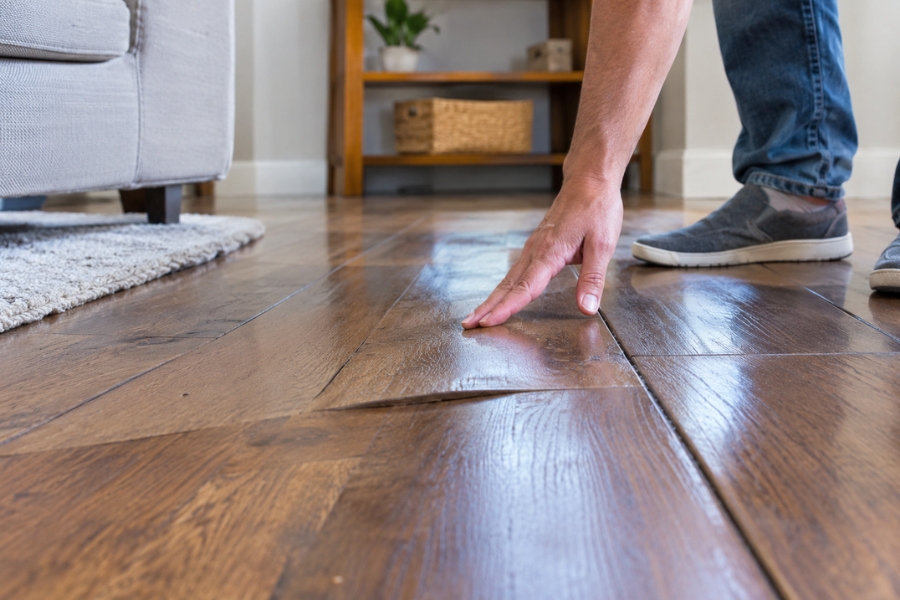
3. Floors That Feel Soft, Uneven, or Warped
Wood flooring naturally expands and contracts slightly. However, persistent moisture creates noticeable warping, buckling, cupping, or soft spots.
Laminate flooring may lift along seams, while vinyl flooring can bubble where moisture collects underneath.
Walking across an uneven floor may reveal hidden moisture beneath the finished surface, especially near kitchens, bathrooms, laundry rooms, or water heaters.
4. Water Stains That Continue to Grow
Not every stain indicates an active leak, but changing stains deserve attention.
Look for:
- Brown or yellow ceiling stains.
- Water rings around light fixtures.
- Dark patches near windows.
- Stains along wall corners.
If stains grow larger after rainstorms or plumbing use, hidden water intrusion may still be active.
5. Higher Water Bills Without Higher Usage
An unexpected increase in your monthly water bill sometimes signals a hidden plumbing leak.
Check toilets, sinks, water heaters, refrigerators, washing machines, irrigation systems, and outdoor faucets. Even small leaks behind walls can waste significant amounts of water over time.
Monitoring monthly water usage helps homeowners identify unusual changes before visible damage appears.
Where Hidden Water Damage Happens Most Often in Georgia Homes
Georgia homes experience water damage in several predictable locations because of humidity, rainfall, and plumbing systems.
High-Risk Areas Inside the Home
| Location | Common Cause |
| Bathrooms | Shower leaks, toilet seals, plumbing lines. |
| Kitchens | Dishwasher leaks, sink plumbing, refrigerator water lines. |
| Laundry Rooms | Washing machine hoses and drain overflows. |
| Basements | Foundation moisture and poor drainage. |
| Attics | Roof leaks and poor ventilation. |
| Crawl Spaces | Ground moisture and plumbing leaks. |
Homes throughout Marietta, Sandy Springs, Roswell, Alpharetta, Johns Creek, Decatur, Brookhaven, Smyrna, and Dunwoody often experience moisture challenges due to seasonal storms and humid summers.
How Georgia Weather Contributes to Hidden Water Damage
Georgia experiences heavy rainfall, tropical storm remnants, thunderstorms, and prolonged humidity during warmer months.
This climate creates several challenges:
- Roof leaks after severe storms.
- Window seal failures during heavy rain.
- Condensation inside HVAC systems.
- Crawl space humidity.
- Poor attic ventilation.
Because humidity slows drying, moisture often remains trapped longer than homeowners realize.
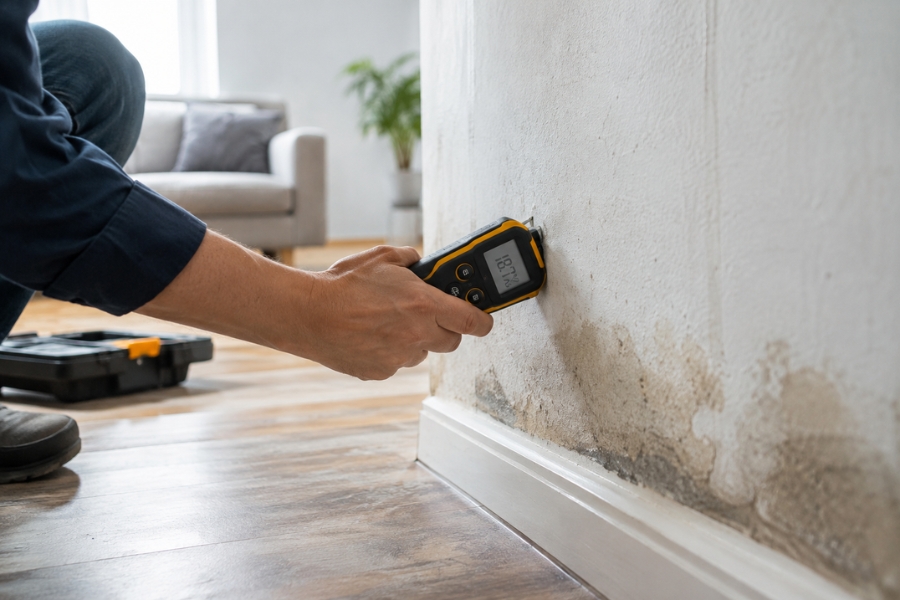
Why Quick Moisture Detection Matters
Water damage rarely stays isolated. Instead, moisture spreads into surrounding materials and increases restoration needs.
Professional moisture detection equipment helps locate hidden water behind walls, ceilings, cabinetry, and flooring without unnecessary demolition.
This early detection helps reduce structural damage while shortening the drying process.
When Businesses Need Immediate Moisture Detection
Hidden water damage also affects commercial properties after plumbing failures, roof leaks, HVAC problems, or storms.
Professional Commercial Restoration Services help businesses identify moisture inside offices, retail spaces, warehouses, restaurants, apartment buildings, and other commercial facilities before hidden water affects operations or building materials.
Early moisture mapping also helps reduce downtime and supports faster restoration planning.
What Happens When Hidden Moisture Stays Untreated?
Ignoring hidden water damage can create additional restoration challenges over time.
Potential consequences include:
- Wood rot.
- Drywall deterioration.
- Insulation damage.
- Flooring separation.
- Electrical hazards near moisture.
- Indoor odor problems.
Moisture trapped behind surfaces also creates conditions that support mold growth if drying does not occur quickly.
How Hopkins Restoration Inc. Helps Find Hidden Water Damage
Hopkins Restoration Inc. uses moisture detection tools to locate water that homeowners cannot easily see. Instead of relying only on visible damage, professionals inspect moisture levels throughout affected building materials.
The restoration process often includes:
- Moisture inspection.
- Water extraction when needed.
- Structural drying.
- Humidity control.
- Damage documentation.
- Monitoring until materials dry properly.
This approach helps prevent hidden moisture from remaining inside the structure.
Preventing Mold Before It Becomes a Bigger Problem
Hidden moisture creates an environment where mold can develop quickly if drying is delayed.
Professional Mold Remediation Services become important when moisture has already allowed mold growth inside walls, ceilings, crawl spaces, insulation, or flooring materials.
However, preventing mold starts with rapid water removal and complete structural drying rather than waiting for visible growth.
Regular inspections after storms, plumbing repairs, or appliance leaks can also reduce future mold risks.
Simple Prevention Tips for Georgia Homeowners
Preventing hidden water damage often starts with routine maintenance throughout the year.
Monthly Home Maintenance Checklist
- Inspect washing machine hoses.
- Check water heater connections.
- Look under sinks for moisture.
- Test toilet seals.
- Inspect attic after heavy rain.
- Clean gutters and downspouts.
- Monitor crawl spaces for standing water.
- Check exterior grading around the home’s foundation.
Small inspections often catch leaks before they become expensive restoration projects.
Protect Your Georgia Home Before Hidden Damage Spreads
Hidden water damage often starts quietly, but it rarely stays small. Musty odors, warped floors, bubbling paint, stained ceilings, and rising water bills all deserve immediate investigation.
Homes throughout Atlanta, Marietta, Sandy Springs, Roswell, Alpharetta, Johns Creek, Decatur, Brookhaven, Smyrna, Dunwoody, and nearby Georgia communities can benefit from early moisture detection after storms, plumbing issues, or appliance failures.
The sooner hidden moisture is identified, the easier it becomes to protect your home’s structure and reduce long-term restoration costs.
Contact Hopkins Restoration Inc. Today
If you notice any hidden water damage warning signs inside your Georgia home or business, Hopkins Restoration Inc. can help identify moisture before it causes more extensive damage.
Call Hopkins Restoration Inc. today at 678-900-3372 for professional water damage inspection and restoration assistance.
Frequently Asked Questions
What is the earliest hidden water damage sign?
A persistent musty odor often becomes one of the earliest signs because moisture remains trapped behind walls, flooring, or insulation before visible damage appears.
Can hidden water damage exist without visible leaks?
Yes. Water can travel through walls, ceilings, subfloors, and insulation without creating immediate visible leaks or standing water.
How do professionals find hidden moisture?
Restoration professionals use moisture meters, thermal imaging equipment, and humidity monitoring tools to identify moisture inside building materials.
Should I worry about warped flooring after a small leak?
Yes. Warped flooring can indicate moisture beneath the surface. Prompt inspection and drying help prevent additional structural damage and mold growth.
