
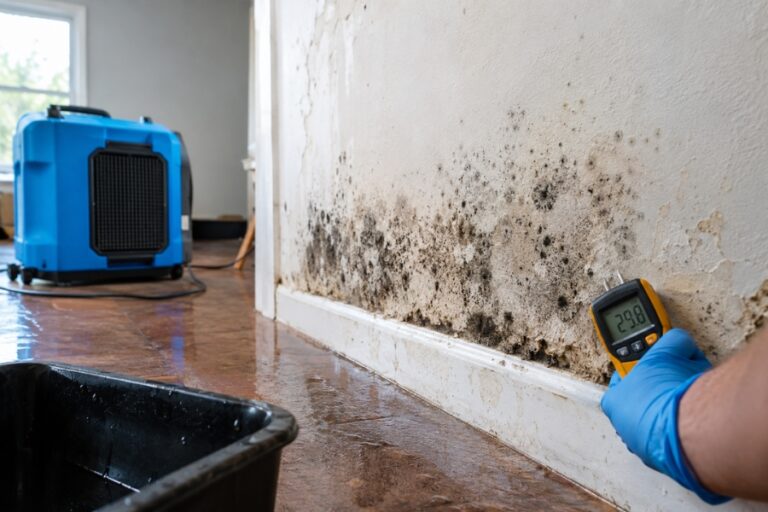
Hopkins Restoration Inc. helps property owners respond quickly when unexpected water damage creates conditions that can lead to mold growth. Mold can develop faster than many people expect, especially when moisture remains trapped inside walls, flooring, ceilings, or other porous materials. Therefore, knowing what to do after water damage can help protect your property and reduce the risk of long-term problems.
How Fast Can Mold Grow After Water Damage?
Mold does not need much time to establish itself in a damp environment. Under the right conditions, mold can begin growing within 24 to 48 hours after water exposure. Warm temperatures, high humidity, limited airflow, and organic materials can create an ideal environment for mold growth.
However, the exact timeline can vary. A small amount of moisture may dry quickly and prevent significant growth. In contrast, hidden moisture behind drywall or under flooring can remain for days and create a much greater risk.
That is why property owners should not wait until they see visible mold. By the time mold becomes obvious, moisture may have already affected areas that remain hidden from view.
Why Water Damage Creates Mold-Friendly Conditions
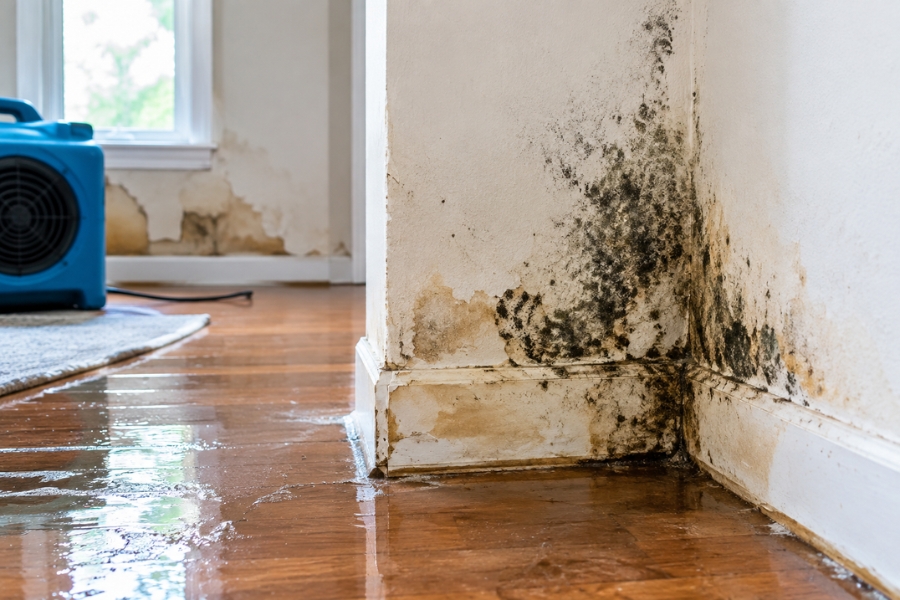
Water damage increases indoor moisture levels and can saturate materials that normally remain dry. Drywall, wood, insulation, carpet, and other porous surfaces can absorb water and retain it for extended periods.
Additionally, standing water can increase humidity throughout a building. Poor ventilation can then slow evaporation and keep affected areas damp.
Mold spores already exist naturally in the environment. They can enter a property through doors, windows, ventilation systems, and everyday activity. When those spores encounter moisture and a suitable food source, they can begin multiplying.
For this reason, fast moisture removal remains one of the most important steps after a leak, flood, appliance failure, or plumbing problem.
What Happens If You Delay Cleanup?
Delaying cleanup can allow water to travel farther into building materials. For example, water can move beneath flooring, behind baseboards, through drywall, and into insulation.
Meanwhile, trapped moisture can create conditions that support mold growth even when the surface appears dry. A room may look normal while moisture remains inside walls or beneath flooring.
A delay can also make restoration more complicated. Technicians may need to remove damaged materials, address hidden moisture, and treat affected areas before reconstruction can begin.
Therefore, property owners should act as soon as they discover water damage. Quick action can limit the spread of moisture and reduce the opportunity for mold to establish itself.
7 Steps to Stop Mold After Water Damage
1. Stop the Source of Water
First, stop the source whenever it is safe to do so. Shut off the appropriate water supply, repair an active plumbing leak, or contact a qualified professional for help.
Stopping additional water from entering the property prevents the affected area from becoming larger.
2. Remove Standing Water
Next, remove standing water as quickly as possible. Professionals can use specialized extraction equipment to remove large amounts of water efficiently.
Do not rely only on towels or household fans when the damage covers a large area. Significant water intrusion often requires professional equipment to reach moisture trapped below surfaces.
3. Improve Air Circulation
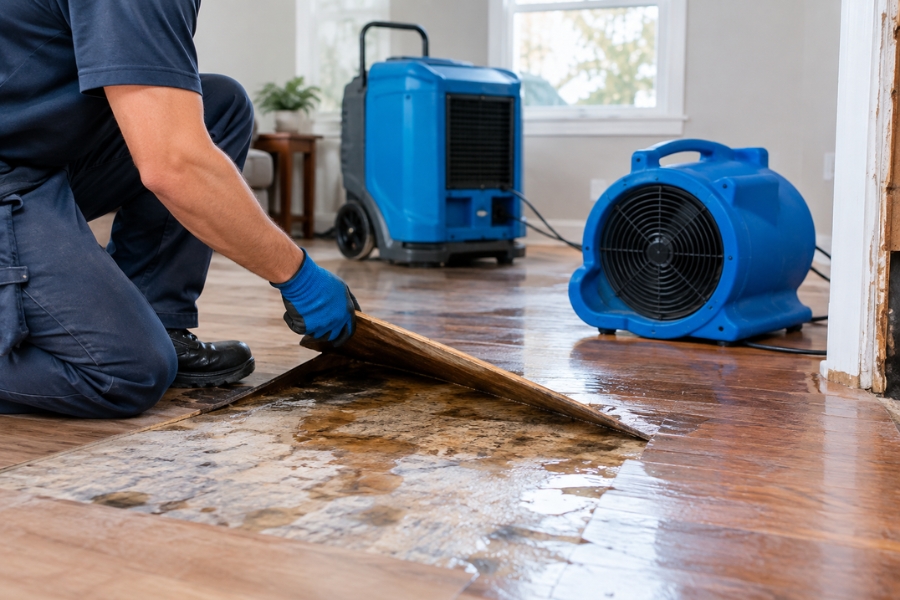
After removing standing water, increase airflow throughout the affected area. Fans can help move air, while dehumidifiers can reduce excess moisture in the environment.
However, avoid blowing air directly across visible mold without professional guidance. Air movement can potentially spread mold particles to other areas.
4. Identify Hidden Moisture
Surface drying does not always mean that the structure has completely dried. Professionals can use moisture meters and other equipment to identify moisture in walls, flooring, ceilings, and other materials.
This step matters because hidden moisture can continue supporting mold growth long after visible water disappears.
5. Dry Affected Materials Thoroughly
Drying should continue until affected materials reach appropriate moisture levels. Depending on the extent of the damage, this process may require professional air movers, dehumidifiers, and monitoring equipment.
At Hopkins Restoration Inc., proper drying focuses on the source of the moisture rather than simply treating visible symptoms.
6. Address Damaged Materials
Some materials may become too damaged to save. Saturated drywall, insulation, carpet, or other porous materials may require removal when they cannot be adequately dried or when contamination has occurred.
Removing unsalvageable materials can help prevent moisture from remaining inside the structure.
7. Check for Mold Growth
Finally, inspect the affected areas for signs of mold. Look for discoloration, musty odors, or visible growth around walls, floors, ceilings, cabinets, and other moisture-prone areas.
If you find suspected mold, avoid disturbing it unnecessarily. A professional assessment can determine the appropriate restoration approach.
When Professional Restoration Makes Sense
Small, isolated spills may dry quickly with proper household action. However, larger water losses can create hidden moisture and affect multiple building materials.
Professional restoration can become especially important after flooding, major plumbing failures, roof leaks, sewage-related incidents, or prolonged water exposure.
For businesses, professional assistance can also help reduce disruption. Commercial Restoration Services can address water intrusion in offices, retail spaces, warehouses, rental properties, and other commercial buildings while helping identify affected areas that may not be immediately visible.
Professionals can also monitor drying progress rather than assuming that a surface feels dry. This approach helps address moisture before it creates additional restoration challenges.
How to Prevent Mold After Future Water Damage
Prevention starts with quick action. Inspect plumbing connections, water heaters, washing machines, HVAC components, and roof areas regularly. Repair leaks as soon as you discover them.
You should also monitor indoor humidity. Excessive humidity can contribute to condensation and create favorable conditions for mold growth. Proper ventilation in bathrooms, kitchens, basements, and other moisture-prone spaces can help control indoor moisture.
After any significant water event, begin drying immediately. Move furniture away from wet areas when possible, remove excess water, and contact a restoration professional when the damage exceeds what you can safely manage.
Most importantly, do not assume that visible drying means the problem has ended. Moisture can remain behind surfaces and continue affecting the structure.
Why Fast Action Matters
Mold prevention begins with moisture control. The faster you identify the source, remove standing water, dry affected materials, and address hidden moisture, the less opportunity mold has to grow.
Professional Water Damage Clean Up & Restoration can provide a structured response when water affects a home or business. Restoration professionals can assess the damage, extract water, dry the property, and identify materials that require additional attention.
Taking action early can also help limit secondary damage. Moisture can weaken materials, damage finishes, create unpleasant odors, and contribute to more extensive restoration needs when property owners leave it untreated.
Contact Hopkins Restoration Inc. After Water Damage
If water has entered your home or business, do not wait for visible mold to appear. Hopkins Restoration Inc. can help you respond quickly and address water-related damage before it creates additional problems.
For professional restoration assistance, contact Hopkins Restoration Inc. at 678-900-3372 to discuss your water damage and the appropriate next steps.
Frequently Asked Questions
How quickly can mold grow after water damage?
Mold can begin growing within 24 to 48 hours when moisture, temperature, and other conditions support growth. Hidden moisture can increase the risk even when surfaces appear dry.
Can I prevent mold after a water leak?
Yes. Quickly stopping the leak, removing standing water, improving airflow, reducing humidity, and thoroughly drying affected materials can help reduce the risk of mold growth.
Does water damage always cause mold?
No. Water damage does not automatically cause mold. However, prolonged moisture creates conditions that can support mold growth, particularly when affected materials remain damp for an extended period.
Should I clean visible mold myself after water damage?
Avoid disturbing significant mold growth without professional guidance. Cleaning can sometimes spread particles to other areas. A qualified restoration professional can evaluate the affected space and recommend appropriate steps.
