
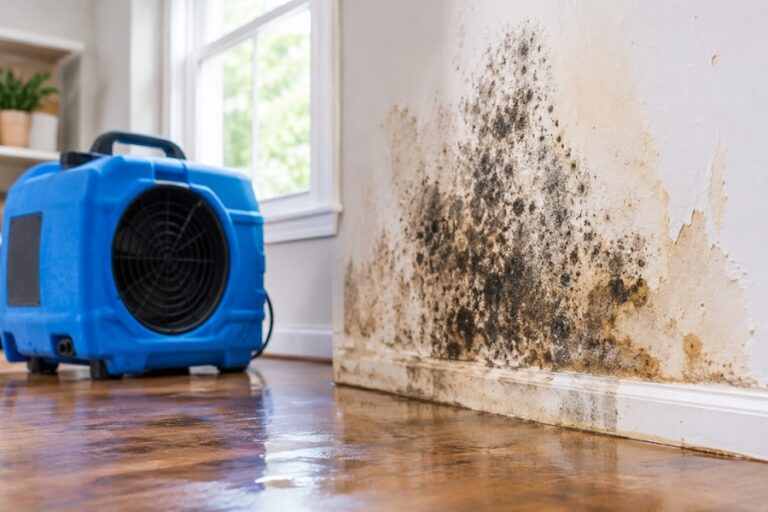
Water damage can create problems that extend far beyond wet floors and damaged walls. One of the biggest concerns involves mold growth, which can begin developing within 24 to 48 hours under suitable moisture conditions. Therefore, homeowners and business owners should act quickly after leaks, flooding, or plumbing failures. Professional Mold remediation Newnan GA services help identify mold problems, address moisture sources, and restore affected areas.
Newnan properties can experience water damage from heavy rainfall, plumbing issues, roof leaks, and overflowing appliances. However, quick action can help limit the damage and prevent moisture from creating more serious problems. Hopkins Restoration Inc. helps property owners address water-related damage and mold concerns through professional restoration solutions.
How Quickly Does Mold Grow After Water Damage?
Mold spores naturally exist in indoor and outdoor environments. However, they need moisture and suitable conditions to grow and spread.
After water damage, mold can begin growing within 24 to 48 hours when moisture remains present. Nevertheless, growth rates depend on temperature, humidity, building materials, and ventilation.
For example, damp drywall, carpeting, wooden surfaces, and insulation can provide suitable conditions for mold development. Furthermore, hidden moisture behind cabinets and inside wall cavities can allow mold to grow without immediately showing visible signs.
That is why property owners should never assume that a room has dried completely just because its surfaces look dry.
The First 48 Hours: What Happens Inside a Water-Damaged Property?
Understanding the early stages of mold development helps property owners recognize why immediate attention matters.
First 24 Hours: Moisture Spreads Through Building Materials
During the first day, water can move beyond the original leak or flooded area. It may soak into carpets, drywall, wooden flooring, furniture, and insulation.
Meanwhile, indoor humidity can increase as moisture evaporates from wet materials. Poor ventilation can make these conditions worse.
At this stage, property owners should identify the water source, address immediate safety concerns, and arrange professional water removal. Hopkins Restoration Inc. can help assess affected areas and begin the restoration process before moisture spreads into additional parts of the property.
Between 24 and 48 Hours: Mold Growth Conditions Develop
When damp materials remain untreated, mold can begin growing. Some materials absorb moisture more quickly than others, which means certain areas may develop problems before others.
For instance, technicians may find moisture beneath carpets, behind baseboards, or around plumbing fixtures. These hidden areas require careful inspection because surface-level cleaning cannot resolve every moisture problem.
Hopkins Restoration Inc. emphasizes the importance of identifying moisture early and addressing affected materials before the problem becomes more extensive.
After 48 Hours: The Risk of Extensive Mold Problems Increases
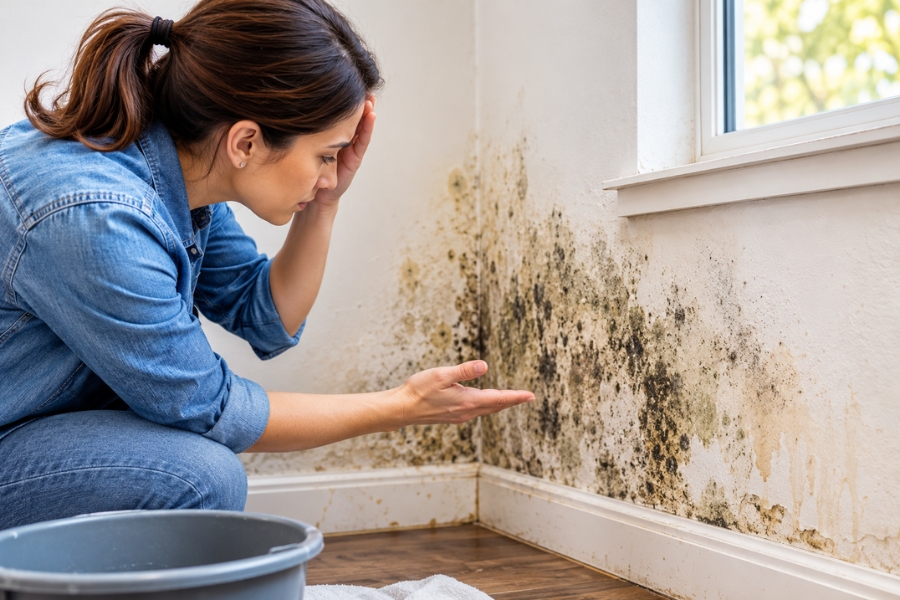
When moisture remains trapped for several days, mold may spread across additional surfaces. Property owners might notice musty odors, discoloration, or visible patches on walls and ceilings.
However, mold can also remain hidden inside building materials. Therefore, a professional inspection can help determine the extent of contamination and the appropriate remediation approach.
Common Signs of Mold Growth After Water Damage
Mold does not always appear immediately. However, several warning signs can indicate a developing problem.
Watch for these common indicators:
- Musty Odors: Persistent earthy smells around damp rooms or enclosed spaces.
- Wall Discoloration: Dark, green, or brown patches on walls and ceilings.
- Peeling Paint: Paint or wallpaper separating because of trapped moisture.
- Recurring Dampness: Areas that remain wet despite regular cleaning.
- Visible Mold Spots: Fuzzy or spreading patches on affected materials.
If you notice these signs, arrange a professional inspection rather than disturbing or scrubbing suspected mold growth yourself.
How Professional Mold Remediation Protects Your Property
Effective mold remediation requires more than removing visible spots. Professionals must identify the moisture source, assess affected materials, and follow appropriate containment and cleanup procedures.
A typical remediation process includes:
- Property Inspection: Technicians assess visible mold, moisture levels, and potentially affected areas.
- Moisture Detection: Specialized equipment helps locate hidden dampness inside building materials.
- Containment: Professionals establish appropriate controls to limit the spread of mold-contaminated dust.
- Affected Material Removal: Technicians remove materials that cannot be safely cleaned.
- Cleaning and Treatment: Professionals clean affected surfaces using suitable methods and products.
- Final Assessment: Technicians evaluate the treated areas and confirm that the moisture problem has received attention.
Professional Mold Remediation Services help property owners address contamination while reducing the chances of recurring problems.
Can Water Damage Lead to Mold in Commercial Properties?
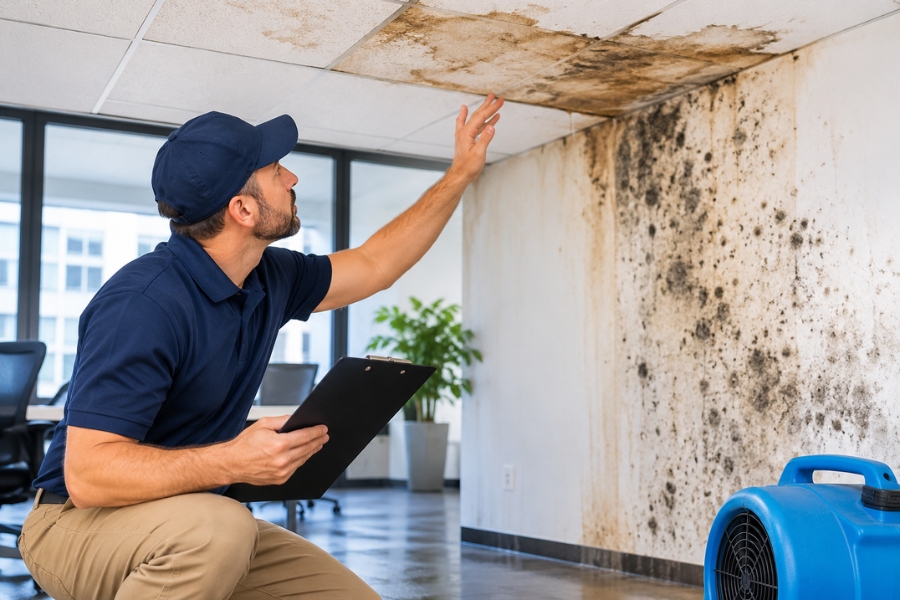
Yes. Commercial buildings can develop mold problems after roof leaks, plumbing failures, storm damage, or flooding. Offices, warehouses, retail spaces, and other facilities may contain large areas where moisture can remain unnoticed.
Furthermore, business owners must consider employees, customers, equipment, and daily operations when managing water damage.
Commercial Restoration Services can help businesses coordinate property inspections, water removal, drying, and necessary restoration work. A timely response also helps limit disruptions and prevent damage from affecting additional areas.
How Newnan Property Owners Can Prevent Future Mold Growth
Although property owners cannot prevent every water emergency, they can reduce the likelihood of recurring moisture problems.
- Repair leaking pipes, faucets, and roof areas promptly.
- Inspect ceilings and walls after heavy rainfall.
- Maintain proper ventilation in bathrooms and kitchens.
- Monitor indoor humidity and address excessive moisture.
- Check basements, crawl spaces, and other moisture-prone areas regularly.
- Contact restoration professionals after significant flooding or water damage.
Most importantly, never ignore persistent dampness or musty odors. Early investigation can prevent a manageable moisture issue from becoming a larger restoration concern.
Get Professional Mold Remediation Help in Newnan, GA
Mold growth can develop quickly after water damage, especially when moisture remains trapped inside walls, flooring, and other building materials. Therefore, property owners should address water problems before they create more extensive damage.
Hopkins Restoration Inc. provides professional restoration assistance to help homeowners and businesses manage water damage and mold concerns. If you notice mold growth, persistent dampness, or musty odors, call 678-900-3372 to discuss your property’s restoration needs and arrange professional assistance.
Frequently Asked Questions
1. How long does mold take to grow after water damage?
Mold can begin growing within 24 to 48 hours when moisture and suitable environmental conditions remain present. However, actual growth rates vary depending on temperature, humidity, and building materials.
2. Can mold grow behind walls without visible signs?
Yes. Mold can develop behind drywall, beneath flooring, and inside insulation. Professional moisture detection and inspections can help identify hidden problems.
3. Does drying a water-damaged area prevent mold growth?
Prompt and thorough drying helps reduce the conditions that support mold growth. However, professionals should also inspect affected materials and address any existing contamination.
4. When should I call a mold remediation company in Newnan, GA?
Contact a professional as soon as you notice visible mold, persistent moisture, or musty odors after water damage. Early assessment helps identify the problem and determine the appropriate remediation steps.
