
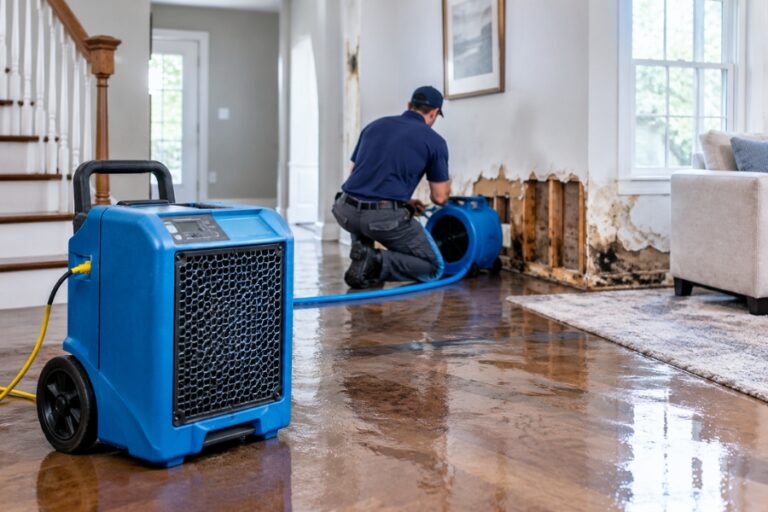
Water damage can disrupt your home quickly. A burst pipe, appliance leak, roof problem, or storm can leave floors, walls, ceilings, and belongings soaked. Hopkins Restoration Inc. helps homeowners understand what happens after water damage and how restoration professionals approach the cleanup. Understanding Water Damage restoration Fayetteville costs and timelines can help you make informed decisions, respond quickly, and reduce the risk of additional property damage.
What Affects Water Damage Restoration Costs?
Every water damage situation requires a different restoration approach. Several factors influence the total cost of the project.
The amount of water often plays a major role. A small localized leak usually requires less work than widespread flooding. The affected areas also matter. Water that reaches drywall, flooring, insulation, cabinets, or structural materials may require additional treatment.
The type of water can also affect restoration requirements. Clean water from a broken supply line differs from contaminated water caused by sewage or flooding. Restoration professionals must use appropriate safety and cleaning procedures for contaminated areas.
The duration of the damage also matters. Water that remains inside building materials can increase the extent of repairs. Early professional assessment can help homeowners identify problems before they spread.
How Much Does Restoration Usually Cost?
Restoration costs vary based on the size and severity of the damage. Minor water incidents may require limited extraction and drying, while major losses can involve extensive demolition, cleaning, drying, and reconstruction.
Homeowners should avoid choosing a restoration company based only on the lowest initial estimate. A proper assessment should identify visible and hidden moisture, affected materials, and the work necessary to restore the property.
A professional evaluation can provide a clearer understanding of expected services and potential costs. Your insurance coverage may also affect your out-of-pocket expenses, depending on your policy and the cause of the damage.
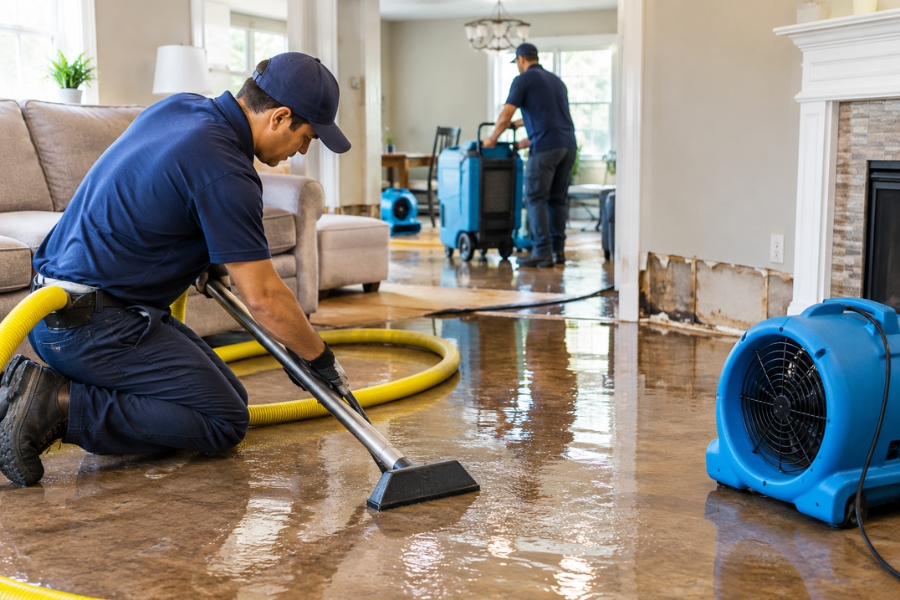
What Happens During the Restoration Process?
Professional restoration usually follows several important steps. First, technicians inspect the property and determine the source and extent of the water damage. They then remove standing water and begin drying affected areas.
Professionals may use extraction equipment, air movers, dehumidifiers, and moisture detection tools. These tools help remove water from surfaces and identify moisture that may remain inside walls, floors, or other materials.
The team may then clean affected surfaces and remove materials that cannot recover. Restoration work can also include repairs after the property reaches a safe and appropriately dry condition.
For homes and businesses that require broader cleanup, Water Damage Clean Up & Restoration can address extraction, drying, cleaning, and related restoration needs as part of a coordinated process.
How Long Does Water Damage Restoration Take?
The restoration timeline depends on the severity of the damage. A minor incident may take only a few days to dry and clean. More extensive water damage can take several weeks when the property needs material removal, specialized cleaning, repairs, or reconstruction.
Drying often requires several days because professionals must confirm that affected materials have reached appropriate moisture levels. Rushing this stage can leave hidden moisture behind and create additional problems later.
Your restoration team should monitor the affected areas throughout the process. Regular moisture checks can help confirm that the property continues moving toward proper recovery.
Can Insurance Cover Water Damage Restoration?
Insurance coverage depends on your policy, the source of the water, and the circumstances surrounding the incident. Sudden and accidental water damage may receive coverage under some policies, while gradual leaks or maintenance-related problems may have different coverage rules.
Contact your insurance provider promptly after significant damage. Take photographs and videos before moving damaged items when it is safe to do so. Keep receipts, estimates, inspection information, and other relevant documentation organized.
A restoration professional can also explain the work required and help you understand the steps involved in restoring your property.
How Can Homeowners Reduce Restoration Costs?
Quick action can help limit the extent of water damage. Turn off the water supply when a plumbing issue causes the leak. Keep people away from unsafe areas and avoid electrical equipment near standing water.
Contact a professional as soon as possible when water affects multiple rooms, enters walls or flooring, creates contamination concerns, or continues spreading.
Businesses can face additional challenges because water damage may affect equipment, inventory, offices, and daily operations. In these situations, Commercial Restoration Services can provide specialized support for larger properties and more complex restoration needs.
Choose Professional Help for Water Damage
Water damage can become more expensive when homeowners delay cleanup. Fast extraction, proper drying, moisture monitoring, and professional cleaning can help protect your property and reduce the chance of additional damage. Tracking relevant information through tools such as Google Search Console can also help restoration businesses understand how customers search for emergency services online.
Professional restoration support can make the recovery process more organized for homeowners and businesses dealing with water-related property damage. If you need help assessing your situation or planning the next steps, contact a restoration professional at 678-900-3372 for assistance.
Frequently Asked Questions
How soon should I start water damage restoration?
Start as soon as possible. Quick action can limit water absorption, reduce secondary damage, and help prevent prolonged moisture problems.
Does the size of the affected area determine the cost?
Yes. Larger affected areas generally require more extraction, drying, equipment, labor, and potentially more repairs.
How long does water drying usually take?
Drying can take several days, depending on the amount of water, affected materials, ventilation, humidity, and overall property conditions.
Can hidden water increase restoration costs?
Yes. Moisture can travel behind walls, beneath floors, and inside cabinets. Professional moisture detection can help identify areas that require additional drying.
Should I contact my insurance company?
For significant water damage, contact your insurance provider promptly. Ask about your coverage, documentation requirements, deductibles, and claim process.
