
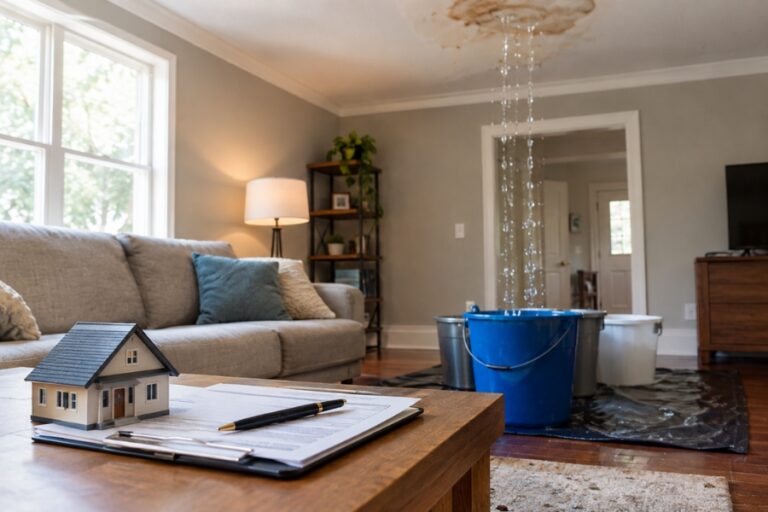
Hopkins Restoration Inc. understands that water damage can happen without warning, whether it comes from a burst pipe, overflowing appliance, storm-related roof leak, or plumbing failure. One of the first questions Georgia homeowners ask is whether their insurance policy will pay for repairs. The answer depends on the cause of the damage, the type of policy, and how quickly you respond. Understanding Homeowners Insurance Water Damage coverage before disaster strikes can help you make informed decisions and avoid costly surprises during the claims process.
This guide explains what homeowners insurance typically covers in Georgia, what it usually excludes, and how you can improve the chances of a smoother insurance claim after water damage.
Understanding Water Damage Coverage in Georgia
Homeowners insurance generally covers sudden and accidental water damage, not damage caused by long-term neglect or poor maintenance. Most standard homeowners insurance policies in Georgia follow this principle.
If water damage results from an unexpected event, the policy may help pay for repairs to covered parts of your home and damaged belongings. However, insurance companies expect homeowners to maintain their property and address issues before they become major problems.
For example, a pipe that suddenly bursts during winter differs from a pipe that has leaked slowly behind a wall for several months. The first situation often qualifies for coverage, while the second may not.
Therefore, documenting the cause and acting quickly after discovering water damage becomes extremely important.
Water Damage That Insurance Usually Covers
Several common situations often qualify for coverage under a standard homeowners policy. Hopkins Restoration Inc. helps homeowners understand these situations and restore property after covered water damage events.
Burst or Frozen Pipes
When a pipe suddenly bursts or freezes unexpectedly, insurance typically covers resulting water damage to walls, flooring, ceilings, and personal belongings if the policy conditions are met.
Accidental Appliance Leaks
A washing machine hose, dishwasher, refrigerator water line, or water heater can fail unexpectedly. Insurance often covers damage caused by these sudden appliance failures.
Plumbing System Failures
Unexpected plumbing issues inside the home, including broken supply lines or accidental overflows, may qualify for coverage when they cause immediate damage.
Roof Leaks Caused by Covered Storm Damage
If a windstorm damages your roof and rain enters through that damaged area, homeowners insurance may cover interior water damage because the storm caused the opening.
Firefighting Water Damage
If firefighters use water to extinguish a covered house fire, insurance generally covers water damage resulting from firefighting efforts.
Water Damage That Insurance Usually Does Not Cover
While many sudden events receive coverage, insurance policies often exclude preventable or maintenance-related issues.
Long-Term Leaks
Insurance usually excludes damage caused by slow leaks that homeowners failed to repair. Ongoing moisture behind walls or under flooring often falls into this category.
Flood Damage
A standard homeowners policy generally does not cover flooding from rising water, overflowing rivers, storm surge, or flash floods. Flood insurance is typically purchased separately through the National Flood Insurance Program or private insurers.
Sewer or Drain Backups
Many policies exclude sewer backups unless homeowners purchase additional backup coverage or an endorsement.
Neglected Roof Maintenance
Insurance may deny claims if water enters through a roof that deteriorated because of poor maintenance instead of a covered weather event.
Georgia Weather Can Increase Water Damage Risk
Georgia homeowners face unique water damage risks throughout the year. Heavy thunderstorms, hurricanes, tropical systems, and seasonal flooding can all create water-related emergencies.
Additionally, Georgia’s humid climate can slow drying after water intrusion. Moisture trapped inside drywall, insulation, or wood can remain longer than homeowners realize.
For that reason, prompt drying and restoration matter even when insurance covers the damage.
What to Do Immediately After Water Damage
Taking the right steps immediately can help protect both your property and your insurance claim.
1. Stop the Water Source
Shut off the main water supply if a plumbing issue causes the damage. If a storm causes the problem, prevent additional water intrusion when it is safe.
2. Document Everything
Take photos and videos before moving damaged items whenever possible. Capture affected rooms, damaged materials, appliances, and visible water.
3. Contact Your Insurance Company
Notify your insurance company promptly. Many policies require homeowners to report damage within a reasonable timeframe.
4. Prevent Additional Damage
Insurance companies expect homeowners to reduce further damage when it is safe. Temporary measures such as tarping a damaged roof or removing standing water can help.
5. Contact a Restoration Professional
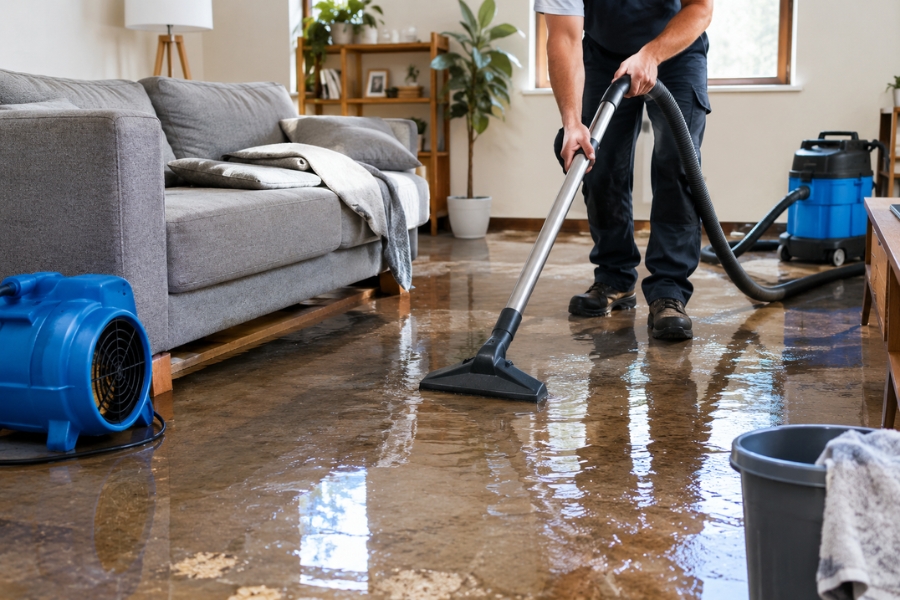
Professional drying equipment helps remove hidden moisture before additional damage develops.
Why Professional Documentation Helps Insurance Claims
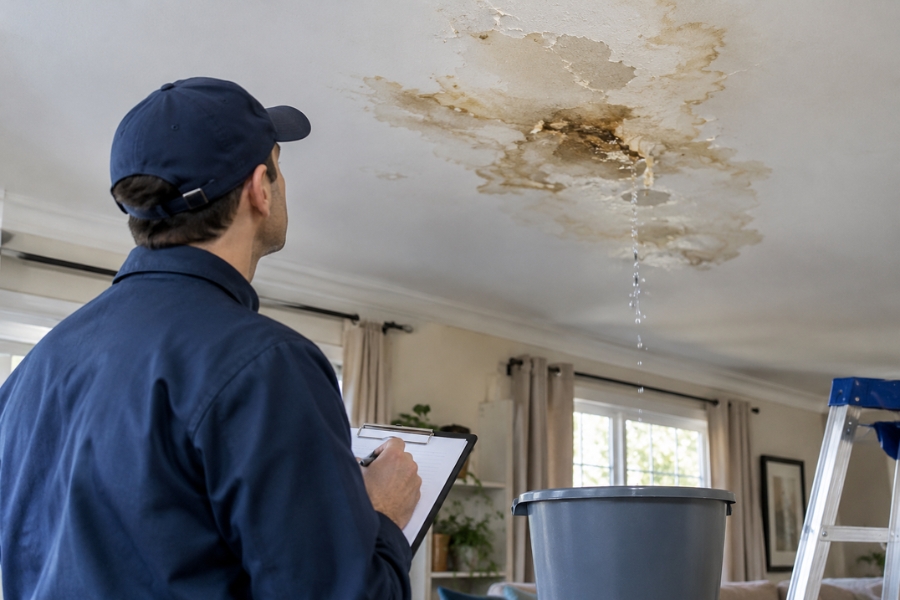
Insurance adjusters evaluate the source, extent, and timeline of water damage. Professional restoration companies often provide moisture readings, drying documentation, photographs, and detailed reports.
These records can help demonstrate that homeowners acted quickly to reduce additional damage.
Hopkins Restoration Inc. works with property owners to identify affected areas, remove excess water, and document moisture conditions throughout the restoration process.
Accurate documentation also helps identify hidden damage that may not appear during an initial visual inspection.
Water Damage Can Lead to Additional Problems
Water damage rarely affects only one surface. Moisture can spread into insulation, framing, subfloors, cabinets, and ceiling cavities.
If moisture remains trapped, homeowners may eventually need Mold Remediation Services to address mold growth after water intrusion.
Professional drying reduces moisture levels before mold becomes a larger concern. Therefore, acting within the first 24 to 48 hours often makes a significant difference.
Additionally, removing damaged materials at the appropriate time helps prevent moisture from remaining inside structural components.
Moisture monitoring also confirms when materials have dried to acceptable levels instead of relying only on appearance.
This approach helps reduce the chance of hidden moisture creating future restoration issues.
Does Insurance Cover Mold After Water Damage?
This question creates confusion for many homeowners.
Coverage often depends on why mold developed. If mold results directly from a covered water damage event and homeowners respond promptly, insurance may provide limited mold coverage depending on policy terms.
However, insurance often excludes mold caused by ongoing leaks, humidity issues, deferred maintenance, or homeowner neglect.
Because mold coverage limits vary between policies, homeowners should review their individual policy or speak with their insurance representative.
Tips to Avoid Water Damage Claim Denials
Although every claim differs, homeowners can reduce complications by following several best practices.
- Inspect plumbing connections regularly.
- Replace aging washing machine hoses and water supply lines.
- Clean gutters and downspouts throughout the year.
- Maintain roofing after storms.
- Address leaks immediately instead of delaying repairs.
- Keep maintenance records for major home systems.
These preventative steps demonstrate responsible home maintenance and may help support future claims.
Understanding Restoration Beyond Water Extraction
Water removal represents only one part of the recovery process. Depending on the damage, homeowners may also require structural drying, debris removal, odor treatment, cleaning, reconstruction, and Other Restoration Services after the property becomes safe and dry.
Every property experiences water damage differently. A small appliance leak requires a different restoration approach than widespread storm damage affecting multiple rooms.
Professional restoration focuses on identifying moisture, protecting unaffected areas, drying materials properly, and preparing the property for repairs.
Protect Your Georgia Home Before the Next Water Emergency
Understanding your homeowners insurance policy before water damage occurs helps you respond with confidence during an emergency. While insurance often covers sudden and accidental water damage, exclusions frequently apply to flooding, neglect, and long-term maintenance issues.
Quick action remains one of the most important parts of protecting both your home and your insurance claim. Prompt documentation, immediate mitigation, and professional drying can help reduce additional damage and speed up recovery.
Contact Hopkins Restoration Inc. for Water Damage Help
When unexpected water damage affects your Georgia home, act quickly to protect your property and prevent further damage. Whether you need emergency water damage assistance, help documenting affected areas for insurance, or Google Business Profile support to find our local restoration services, we are here to help.
Call us today at 678-900-3372 for fast, professional water damage restoration assistance across Georgia.
Frequently Asked Questions
Does homeowners insurance cover water damage from a burst pipe in Georgia?
In many cases, yes. Standard homeowners insurance typically covers sudden and accidental damage caused by a burst pipe, provided homeowners maintain the plumbing system appropriately.
Does homeowners insurance cover flood damage?
No. Standard homeowners insurance policies generally do not cover flooding from rising water, storm surge, or overflowing rivers. Flood insurance is usually purchased separately.
Will insurance pay for mold after water damage?
It depends on the cause. Some policies provide limited coverage when mold results directly from a covered water damage event and homeowners respond promptly.
How soon should I file a water damage insurance claim?
File the claim as soon as possible after discovering the damage. Prompt reporting, documentation, and mitigation help support the claims process and reduce additional property damage.
